
Small, 2-10 minute habits that compound into big results.
Success, in my opinion, has rarely resulted from a single, intense effort. Success is mostly the result of tiny, regular actions taken over time; just as compound interest grows money, so too can these micro habits lead to long-lasting changes in relationships, productivity, mindset, and health. If followed consistently, these seven micro habits can bring significant outcomes.
1) The 2-Minute Start
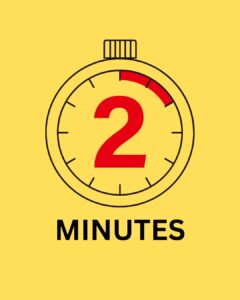
Starting is considered the hardest part of any task. And this is where the 2-minute starting concept comes in. Instead of committing to getting a job finished, have your commitment be two minutes of action. Whether this is two minutes of writing, organizing, or exercising.
Almost any task seems to get smaller once you start. What starts as a two-minute activity can easily go up to 20 or 30 minutes without even noticing it. And if it doesn’t, then it builds consistency.
How to start today – After you sit at your desk, set a 2-minute timer and write the first sentence. If you feel like continuing, great; if not, you’ve still kept the promise.
2) MIT (Most Important Task)
Our lives are full of distractions, like emails, calls, and never-ending to-do lists. By selecting only one “Most Important Task” (MIT) per day, you guarantee progress on important goals, not just time-sensitive demands.
Ask yourself- If I do only one thing today, what will be most important in the long term? Recording this helps build a sense of achievement daily. Gradually doing one key task each day increases productivity and progress.
How to start today – Write your MIT on a sticky note the night before. In the morning, do 25 focused minutes on it before opening any apps. Repeat daily.
3) A 10-Minute Walk
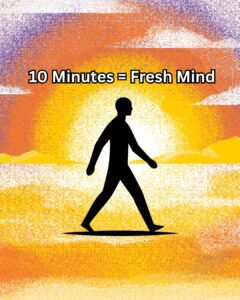
Walking may not sound revolutionary, but a daily 10-minute walk has compounding benefits for both body and mind. It improves circulation, reduces stress, and energizes you without requiring special equipment or planning.
In the long term, daily walking supports heart health and enhances mood. Many people find their best ideas during a simple walk, proving that brainstorming doesn’t always happen at a desk.
How to start today- Right after lunch or mid-afternoon. If the weather is bad, walk indoors or climb stairs. Track streaks on your calendar.
4) The 1-Line Journal
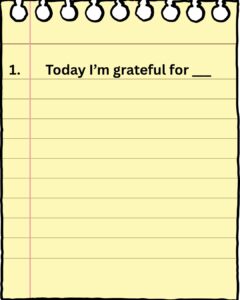
Journaling often feels too time-consuming, which is why the 1-Line Journal works so well. A sentence a day is all you need. It can be something learned, something you are grateful for, or just your overall day in one sentence. A single line gives you the benefits of mindfulness and reflection, without the pressure of filling a page. Over months, those single lines become a record of growth and insights. Years later, reading them back provides perspective on how far you’ve come.
How to start today: Keep a note titled Daily Line. Each night: Today I learned ___ or Today’s win: ___ Miss a day? No guilt—just write the next line.
5) Phone-Free First 15
Your morning routine shapes your day. Instead of immediately jumping into notifications or social media. For the first 15 minutes of waking up, do anything that isn’t scrolling. Drink water, stretch, breathe, make your bed, or simply read a book.
This micro habit protects your focus and mindset from being hijacked by noise around you. Over time, these buffers will sharpen your focus, reduce anxiety, and give you more control of your attention.
How to start today: Charge your phone outside the bedroom or use an old-school alarm. Put a book or your MIT note where the phone used to live.

6) The One Minute Reset
Stress and distraction build up quietly throughout the day. Even though a single minute of mindful breathing might not seem like much, when done consistently, it increases emotional stability, lowers stress, and improves self-control. These little resets add up to improved decision-making and increased ability to handle pressure.
How to start today: Set one reminder (morning or afternoon) labeled “Reset.” When it pops up, close your eyes and take 5 slow breaths, or roll your shoulders and stretch your arms. One minute. That’s it.

7) The After-Action Cleanup
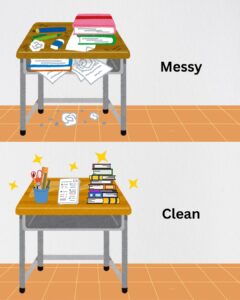
Finishing a task is great, but leaving clutter creates friction for your future self. The After-Action Cleanup is committing 2-3 minutes after every activity to reset your environment. Close documents, put tools back, or clear your desk before moving on.
This micro habit prevents the buildup of physical and mental clutter.
How to start today- After you finish work, leave your workspace as “tomorrow-ready.” Or after dinner, wipe the counter before leaving the kitchen. Think of it as a gift to your future self.
Therefore, Tiny habits compound like interest. Pick one from this list and do it for seven days. If it feels natural, add a second. In a month, you won’t need motivation you’ll have momentum.